Joint Hypermobility
Important information:
A person's joints are considered hypermobile if the joints are very flexible and can move beyond a normal range of motion. Joint hypermobility can lead to joint laxity, which is when joints become loose or unstable. People with this condition are sometimes called double-jointed.
Hypermobility may be linked with:
-
Muscle and joint pain in the arms and legs. The pain may be worse with activity and at night.
-
Frequent joint injuries.
-
Headaches.
-
Stomach pain or constipation.
-
Tiring quickly.
-
Trouble with coordination or frequent falls.
-
Pain or difficulty with writing, using a fork and knife, and dressing.
Physical and occupational therapists can help you care for your joints. They will teach you how to exercise, protect your joints and beat activity limits. There is no cure for hypermobility; it is the way a person is put together. The best way to prevent pain or injury is to improve muscle strength and fitness.
Patient instructions for hypermobility:
-
Exercise regularly. Listen to your body and rest as needed!
-
Stay strong and active but be safe. Avoid overstretching, hanging from your arms, like on monkey bars, and lifting heavy weights or objects incorrectly.
-
Sports are a great way to stay fit and strong. Most sports are safe if you are strong in the right muscles. Avoid high-contact sports, like football and rugby, or sports involving repeated movements or positions, such as a catcher or pitcher.
-
Be careful of sports where joint flexibility may be helpful. Activities such as gymnastics, acrobatics and pointe ballet may damage your joints.
-
Strength train carefully. Avoid heavy weights and always use good form to prevent injury.
Patient instructions: safe movement
-
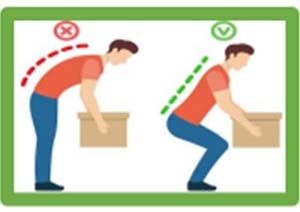
Bend at the knees and not the back. (Figure 1)
-
Backpacks should:
-
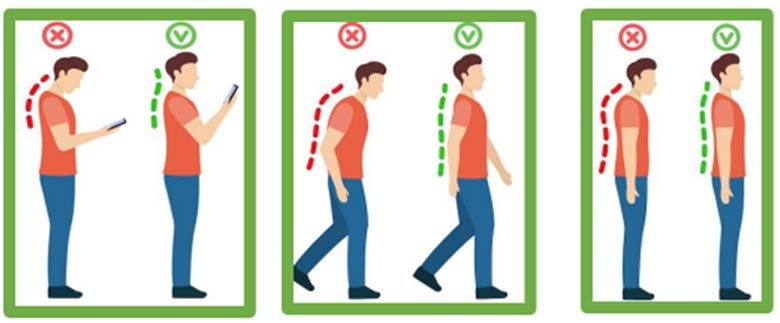
Proper posture helps to avoid pain and injury. To maintain good posture, stand up straight and tall. Make sure your head is straight above your spine, your stomach is pulled in, your shoulders are back, and your head is looking straight ahead.
-
Try to avoid common bad posture habits. "Tech-neck" happens when you look down at your device without breaks. Slouching your shoulders, locking your knees or elbows and shifting your weight to one side can all lead to pain. (Figure 3)
-
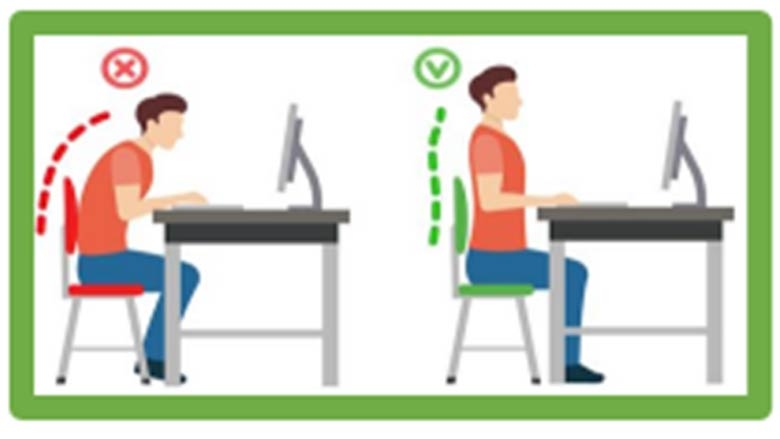
Avoid leaning over a desk and instead sit up straight to maintain proper sitting posture. (Figure 4)
-
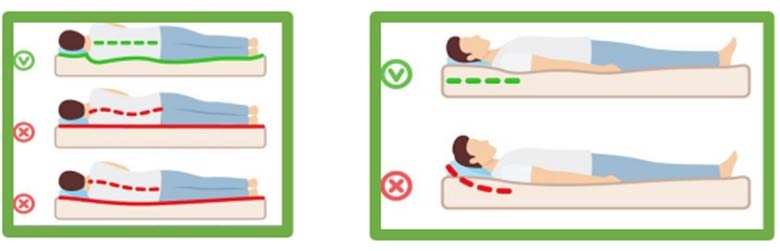
Posture is even important while lying down. Keep a straight back and neck in all positions. Try to keep equal weight on both legs. (Figure 5)
-
Don't push joints into abnormal positions. Tricks where joints are bent too far can lead to overstretching and long-term pain. Avoid popping out or clicking joints on purpose as this can damage the joints if done repeatedly.
-
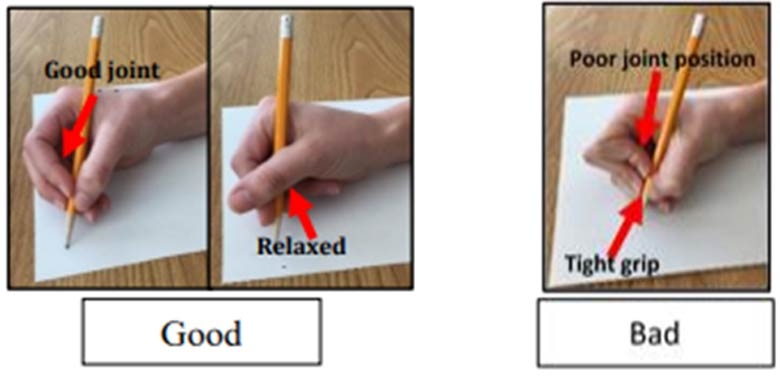
Poor handwriting technique can lead to pain in the hands. Hold your pen in a relaxed grip without pressing too hard or holding it too tightly. (Figure 6)
-
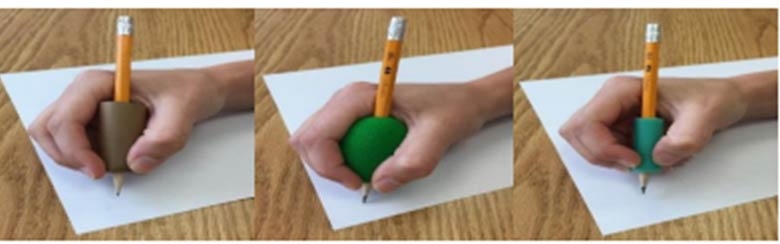
Pencil grips or tools to increase the width of the pencil can improve the position of the joints and decrease pressure when holding. Try egg-shaped grips. Use a laptop or tablet if possible. (Figure 7)
-
Well-fitted, supportive shoes can help prevent pain in the legs and back. Look for lace up sneakers with the following qualities to support your feet and ankles:
-
Firm heel
-
Stable but flexible sole
-
Arch support
-
Your therapist may recommend insoles to support your arches if you have flat feet or pain in your back or legs.
-
Many people with joint hypermobility have no symptoms at all. However, joint injuries and pain can be more common due to decreased stability in the joints. The best answer for joint hypermobility is to improve muscle strength, posture, and fitness!
-
Speak to a physical or occupational therapist if you need more advice.
Reviewed November 2025 by Megan Beam, PT, DPT